

Logo textual del Dr. Carlos A. Brugiati UroPanama.

UroPanama

Endourology

Minimally invasive procedures to evaluate or treat urinary tract conditions.

Endourology is a procedural field; it is not a single procedure.

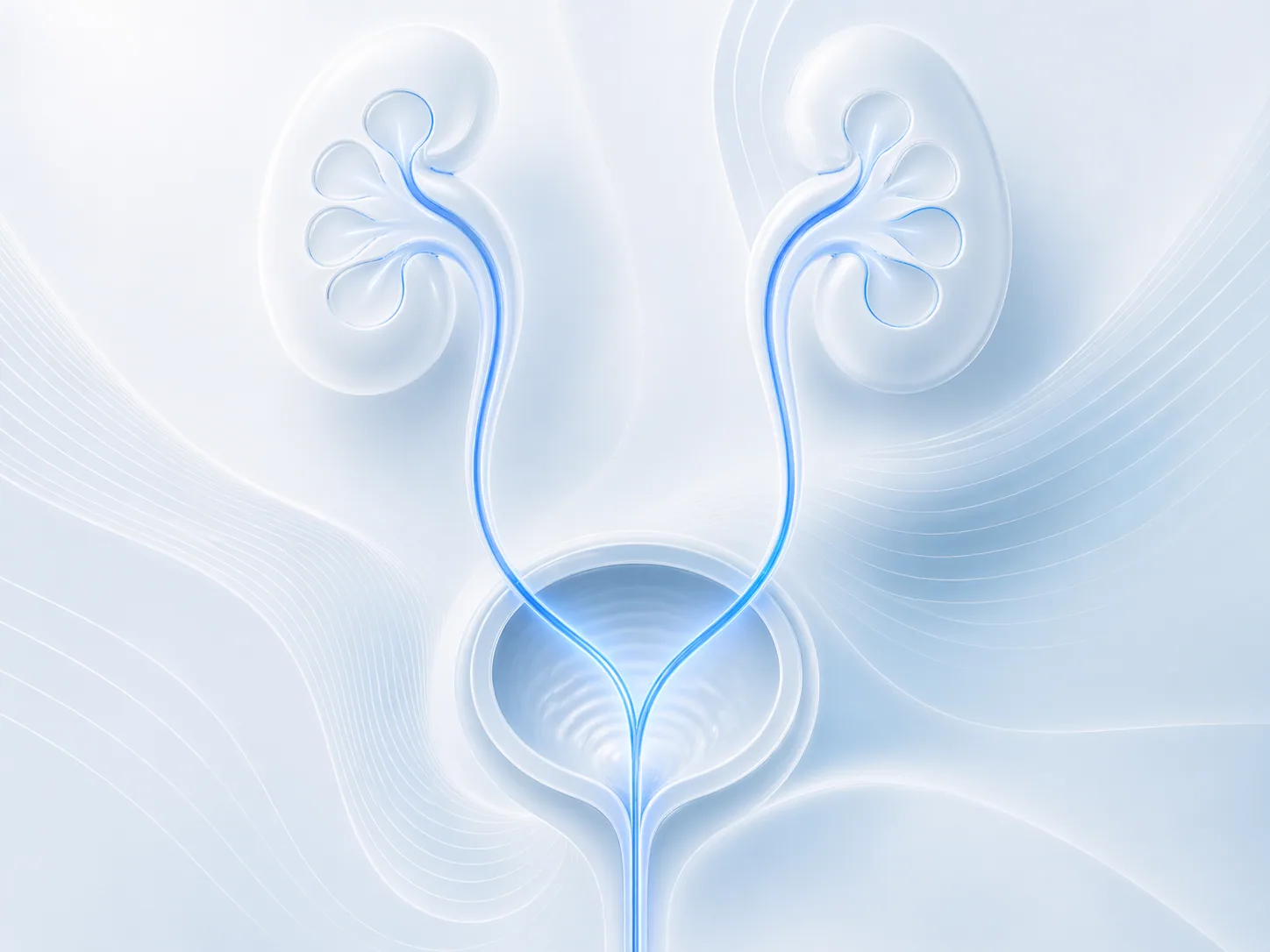
Visual abstracto de endourología y procedimientos mínimamente invasivos.

General guidance

What is endourology?

Endourology uses specialized instruments to evaluate or treat urinary tract conditions through minimally invasive approaches in selected cases, including flexible ureteroscopy with laser, advanced endoscopic surgery, and stricture management.

When to consult

When it may be useful

Urinary stones with pain or abnormal studies.

Suspected obstruction or narrowing in the urinary tract.

Need to evaluate the bladder, ureter, or urinary system.

Imaging findings that require specialist explanation.

Questions about ureteroscopy, cystoscopy, or laser.

Follow-up after a urinary procedure or episode.

Clinical context

Endourology is discussed within a follow-up plan.

For patients with stones or recurrence, the decision is not based only on current pain. Imaging, infection, obstruction, kidney function, and future prevention are reviewed.

50%

approximate 10-year recurrence in unaddressed stone disease

This figure explains why endourology should connect evaluation, selected treatment, and prevention, not only stone removal.

What the doctor may evaluate

How appropriateness is defined

The doctor reviews symptoms, imaging, labs, and general condition to determine whether an endourologic procedure is appropriate.

  • Whether the problem fits an endoscopic route or another approach.
  • Size, location, and complexity of stones or obstructions.
  • Risks related to infection, obstruction, or abnormal studies.
  • Which specific procedure may be discussed if appropriate.

What to bring

What to bring

Available studies help determine whether a urinary tract problem can be evaluated or treated with endourologic techniques.

You do not need every document to request a visit; however, bringing organized records helps the case be reviewed more clearly and avoids repeating important information.

  • CT scan, ultrasound, or recent imaging studies.
  • Urine test or urine culture if available.
  • Kidney function labs or other relevant results.
  • Reports from previous urinary procedures.
  • Current medications, blood thinners, and allergies.
  • Main symptoms and timeline.
  • Questions about procedure, preparation, and follow-up.

Possible next steps

Related procedures

Endourology includes several procedures; the visit determines whether any of them apply or whether another evaluation route is better.

Each step is defined after reviewing symptoms, history, and available studies. Website guidance is educational and does not replace a medical consultation.

  1. 01

    Confirm whether the problem involves the urinary tract.

  2. 02

    Review imaging to locate stones, obstructions, or findings.

  3. 03

    Differentiate ureteroscopy, cystoscopy, or other procedures.

  4. 04

    Consider the context of advanced endourology training at Hospital Italiano de Buenos Aires and Fundación Santa Fe.

  5. 05

    Discuss benefits, limits, and preparation if applicable.

  6. 06

    Define whether more studies are needed first.

  7. 07

    Plan follow-up according to findings and evolution.

Related pages

Related pages

Endourology FAQs

No. It is a field of minimally invasive urinary tract procedures. Ureteroscopy, cystoscopy, and selected stone treatments are examples. During the visit, the full context, available studies, and current symptoms are reviewed to guide safe next steps, without replacing medical evaluation or promising a specific outcome.

The information on this page does not replace a medical consultation. If you have blood in your urine, urinary retention, fever, severe pain, or an elevated PSA, request an evaluation with a urologist.