
Is surgery needed?
Confirm the diagnosis, non-surgical alternatives, and expected benefit.
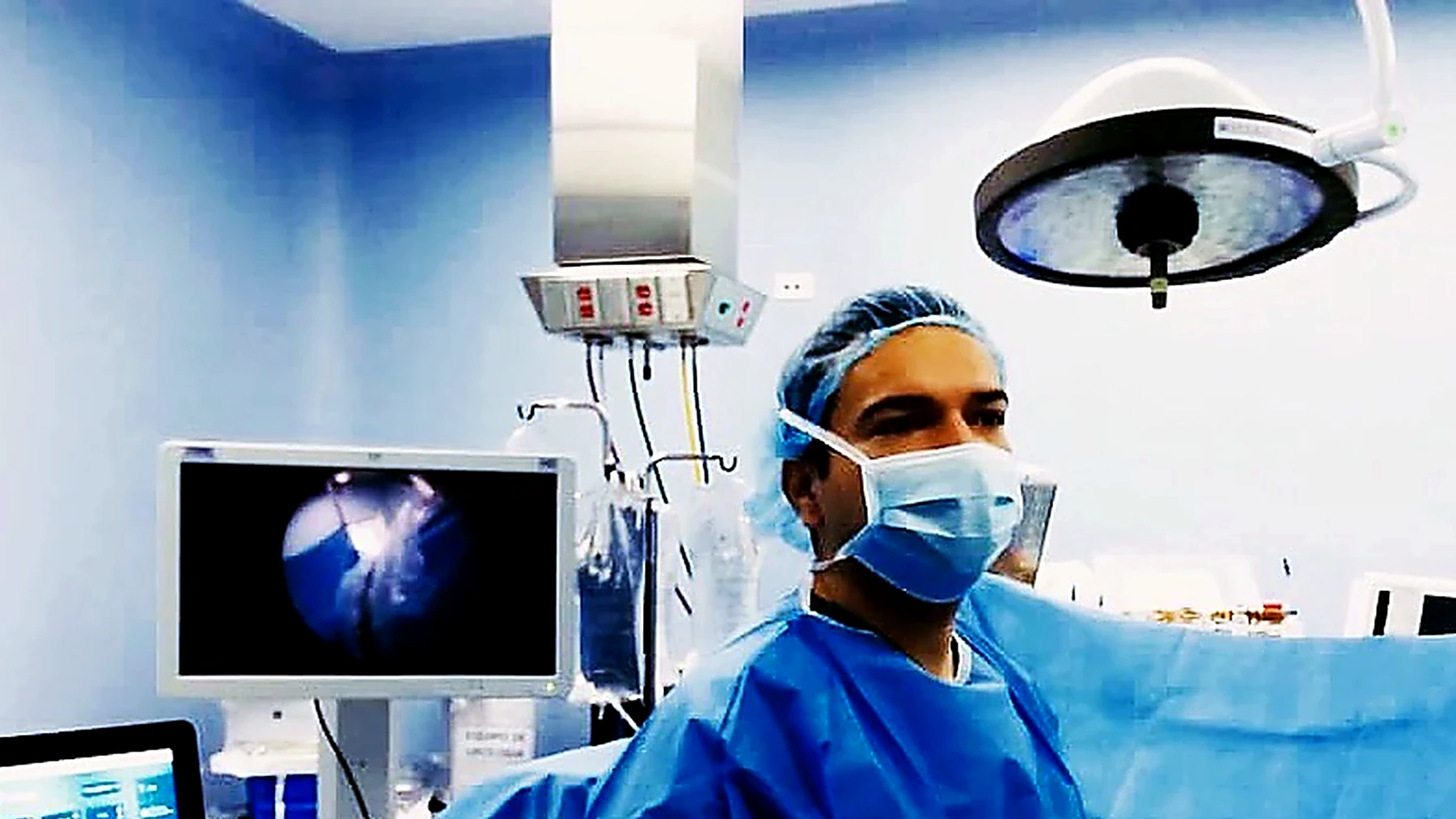
Illustrative image
Minimally invasive surgery in Panama
Advanced laparoscopic and robotic planning for selected urologic cases, with goals, risks, and alternatives explained clearly.
A minimally invasive approach describes the surgical route; it does not guarantee a better outcome by itself. Selection depends on diagnosis, anatomy, team experience, available technology, and oncologic or functional goals.
10+ years
of clinical and surgical experience
7,000+
cases treated
International training
Argentina, Spain, and the United Kingdom
Advanced specialist care
Confirm the diagnosis, non-surgical alternatives, and expected benefit.
Compare laparoscopy, robot assistance, and open surgery when relevant.
Align expectations for hospital stay, pain, activity, catheter, and follow-up.
Structured evaluation
Technology is selected after the clinical objective is defined.
01
Diagnosis, stage, symptoms, and reasonable alternatives are reviewed.
02
Imaging and history help anticipate complexity and preserve structures.
03
Health conditions, anesthesia, medication, and perioperative risk are considered.
04
The plan includes recovery, pathology when applicable, and later controls.
Informed decisions
Feasibility is determined individually and according to hospital availability.
Selected partial or radical nephrectomy and reconstruction.
Procedures for benign disease or cancer according to diagnosis.
Correction of obstruction or anatomy in appropriate cases.
Prostate, kidney, bladder, or other tumor surgery within an oncology plan.
Prepare for your visit
Explore related pathways
Safety notice
Robot assistance depends on availability and does not replace experience or patient selection. No approach eliminates bleeding, infection, organ injury, conversion, or other complications.
Frequently asked questions
No. The surgeon controls the system and makes decisions throughout the procedure.
Medical reference sources
Educational content remains reviewable. Guidelines support the conversation but do not replace individual clinical judgment.
The information on this page does not replace a medical consultation. If you have blood in your urine, urinary retention, fever, severe pain, or an elevated PSA, request an evaluation with a urologist.