

Logo textual del Dr. Carlos A. Brugiati UroPanama.

UroPanama

Kidney stones

Evaluation and management of stones in the kidneys or urinary tract.

An educational page to understand symptoms, studies, and options according to each case.

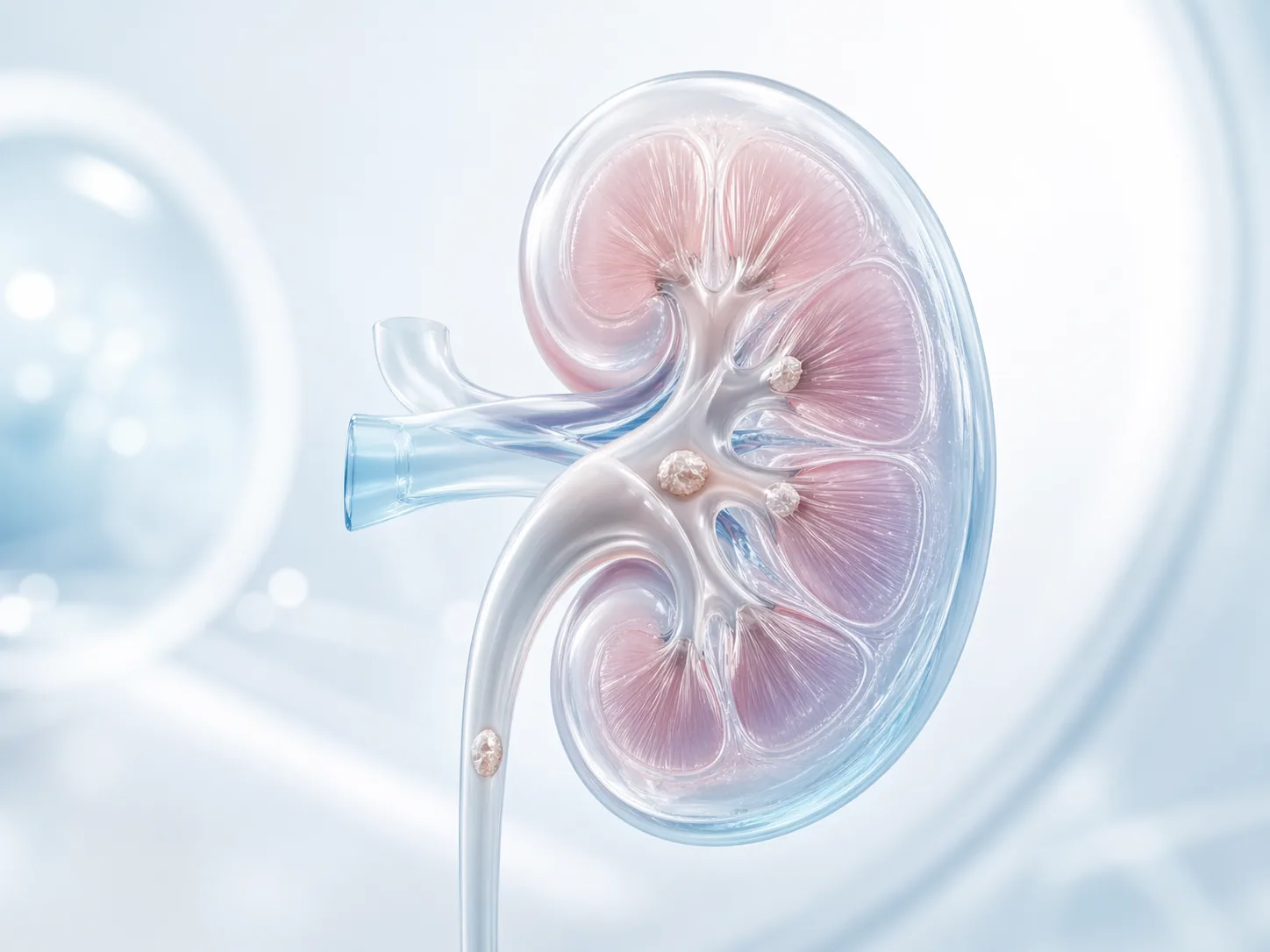
Ilustración médica de cálculos renales.

General guidance

What are kidney stones?

Kidney stones are solid formations that may appear in the kidneys or move into the urinary tract. They can cause pain, urinary discomfort, blood in urine, or infections. Medical evaluation helps determine size, location, and stone characteristics before next steps, prevention, and endourologic options are discussed when appropriate.

When to consult

Common symptoms

Severe lower back or side pain.

Pain that may radiate toward the pelvis.

Blood in urine.

Burning or discomfort when urinating.

Nausea or urinary urgency.

Fever or chills in some cases.

Clinical context

Prevention matters because stones can recur.

Stone figures vary by country, climate, diet, and metabolic factors. The site therefore uses conservative wording and focuses on recurrence and follow-up.

11% / 7%

estimated prevalence in men and women in the U.S.

Endotext/NCBI reports these figures as epidemiologic reference data; they are not presented as a Panama-specific estimate.

50%

approximate 10-year recurrence if the cause is not addressed

Follow-up can review risk factors, stone composition, hydration, and prevention measures according to each case.

What the doctor may evaluate

How they are evaluated

Evaluation may include medical history, symptoms, urine analysis, labs, ultrasound, CT scan, and review of prior studies.

  • Likely stone location and relation to pain.
  • Stone size, number, and imaging characteristics.
  • Signs of infection, obstruction, or kidney function concern.
  • Previous treatment and symptom timeline.

What to bring

What to bring

If available, bring documents that help clarify the current episode, compare progression, and review whether there are signs of obstruction, infection, or recurrence.

You do not need every document to request a visit; however, bringing organized records helps the case be reviewed more clearly and avoids repeating important information.

  • CT scan, ultrasound, or other imaging studies.
  • Written reports plus image links or discs when available.
  • Urine tests and recent laboratory results.
  • Current medications and treatments already received.
  • Date of onset, intensity, and changes in pain.
  • Previous stone episodes or prior procedures.
  • Main questions about management and prevention.

Possible next steps

Options according to each case

The goal is to define a safe path according to size, location, symptoms, and available studies. Not every stone requires intervention.

Each step is defined after reviewing symptoms, history, and available studies. Website guidance is educational and does not replace a medical consultation.

  1. 01

    Confirm stone location, size, and possible obstruction.

  2. 02

    Review whether there are signs of infection or kidney impact.

  3. 03

    Define whether observation, medical management, or a procedure applies.

  4. 04

    Discuss ureteroscopy, laser, or percutaneous surgery when relevant.

  5. 05

    Consider the context of advanced endourology training at Hospital Italiano de Buenos Aires and Fundación Santa Fe.

  6. 06

    Explain warning signs and when urgent care is needed.

  7. 07

    Plan follow-up and prevention according to the case.

Related pages

Related procedures and pages

Kidney stone FAQs

Some stones cause no symptoms until they obstruct. Symptoms may include severe back or flank pain, blood in the urine, nausea, urinary discomfort, or fever. During the visit, the full context, available studies, and current symptoms are reviewed to guide safe next steps, without replacing medical evaluation or promising a specific outcome.

The information on this page does not replace a medical consultation. If you have blood in your urine, urinary retention, fever, severe pain, or an elevated PSA, request an evaluation with a urologist.