
Logo textual del Dr. Carlos A. Brugiati UroPanama.

UroPanama

Laparoscopic and robotic surgery

Minimally invasive laparoscopic or robotic surgical techniques used in selected urologic cases.

A page to understand when a laparoscopic or robotic approach may be considered, what information is reviewed, and how to prepare for a clear medical conversation before deciding.

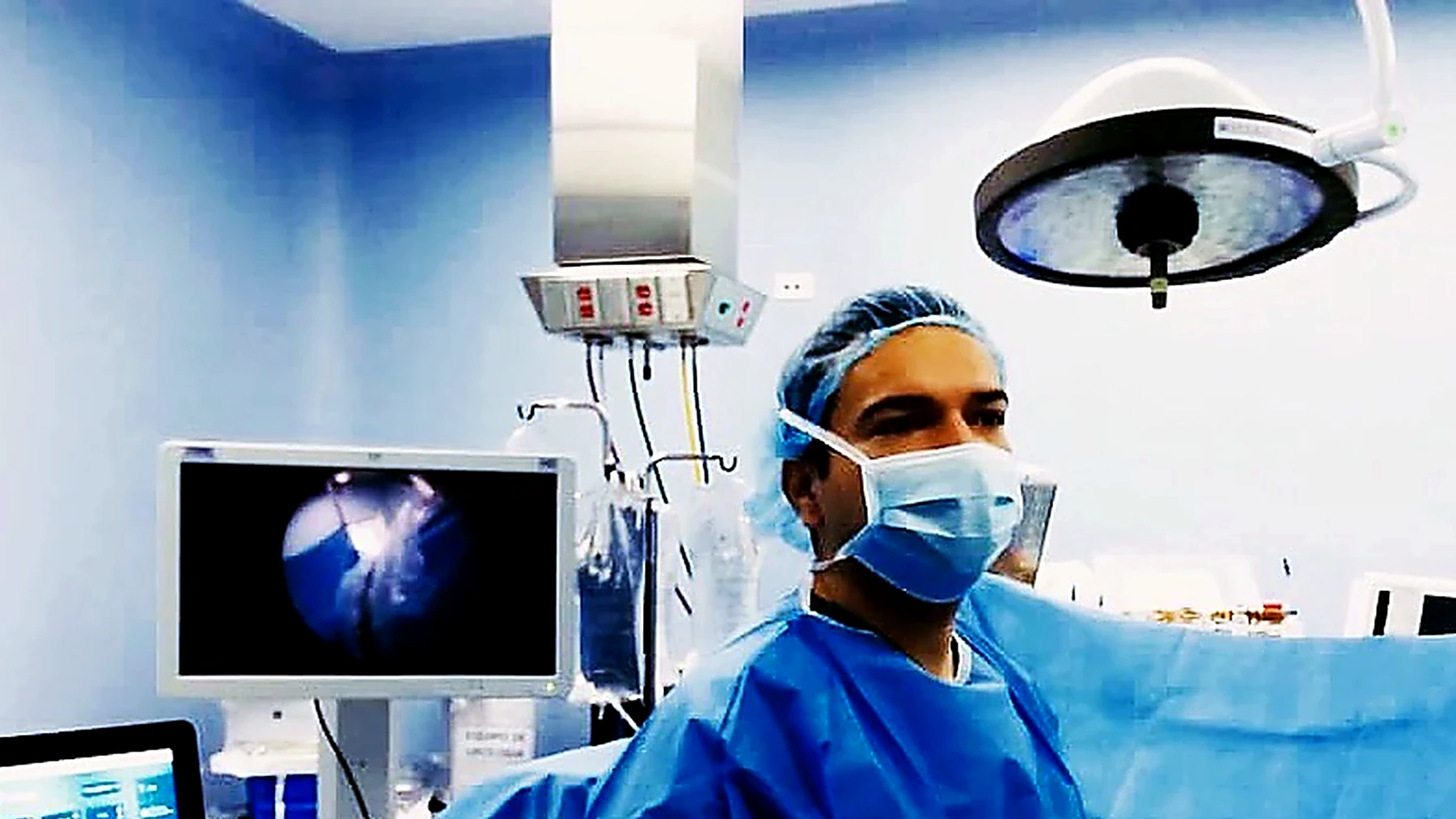
Dr. Carlos A. Brugiati en un entorno quirúrgico profesional de mínima invasión.

General guidance

What is laparoscopic and robotic surgery?

Laparoscopic and robotic surgery uses small incisions and specialized instruments to approach selected urologic cases with minimally invasive techniques. It may be part of the management of certain kidney, oncologic, or reconstructive conditions, but its indication depends on diagnosis, available studies, technology availability, the patient's general condition, and medical evaluation.

When to consult

When it may be considered

Selected kidney conditions that require surgical evaluation.

Imaging findings that need specialist review.

A previous surgical recommendation you want to better understand.

Need to review whether a minimally invasive option may apply.

Questions before accepting a proposed surgery.

Follow-up of a complex urologic condition.

What the doctor may evaluate

What studies are reviewed

The visit usually focuses on organizing the available information: reason for consultation, symptom timeline, imaging studies, labs, previous reports, diagnosis received, relevant history, medications, and general condition. With that information, the doctor can explain which findings matter, what information may be missing, and whether a surgical option should be discussed according to the case.

  • Reason for the surgical recommendation and procedure goals.
  • Relevant findings in imaging, labs, and reports.
  • Reasonable alternatives or pending studies before deciding.
  • Preparation, general risks, and follow-up if surgery is appropriate.

What to bring

What to bring

For a serious surgical review, it helps to bring organized documents and, when possible, imaging studies in digital format or with complete written reports.

You do not need every document to request a visit; however, bringing organized records helps the case be reviewed more clearly and avoids repeating important information.

  • CT scan, MRI, ultrasound, or other available imaging.
  • Written imaging reports.
  • Recent labs and urine tests if available.
  • Diagnostic report or prior medical summary.
  • Previous surgical recommendations.
  • Current medication list and known allergies.
  • Main questions you want answered.

Possible next steps

What is discussed in consultation

The visit is not meant to rush a decision. The goal is to explain the clinical scenario, review reasonable alternatives, and define whether additional studies are needed before moving forward.

Each step is defined after reviewing symptoms, history, and available studies. Website guidance is educational and does not replace a medical consultation.

  1. 01

    Whether surgery should truly be considered at this time.

  2. 02

    What the goal of the procedure would be if indicated.

  3. 03

    What alternatives may exist according to diagnosis and studies.

  4. 04

    Review advanced laparoscopic surgery training at Centro Jesús Usón in Spain.

  5. 05

    Include international robotic training at ORSI Academy in Belgium within the minimally invasive context.

  6. 06

    What information is still missing before a responsible decision.

  7. 07

    What general risks, preparation, and follow-up should be discussed.

  8. 08

    How follow-up would be organized according to each case.

Laparoscopic surgery FAQs

No. A surgical consultation does not mean surgery is necessary. Indication depends on diagnosis, studies, symptoms, the patient's general condition, and medical evaluation. During the visit, the full context, available studies, and current symptoms are reviewed to guide safe next steps, without replacing medical evaluation or promising a specific outcome.

The information on this page does not replace a medical consultation. If you have blood in your urine, urinary retention, fever, severe pain, or an elevated PSA, request an evaluation with a urologist.