

General guidance
Common reasons
Men's sexual health includes erectile function, premature ejaculation, Peyronie's disease, male fertility, urinary symptoms, pain or discomfort, and urologic prevention.
UroPanama
Medical evaluation of sexual function, fertility, urinary symptoms, and prevention.
A private, discreet, and respectful visit to discuss topics that affect well-being and quality of life.
General guidance
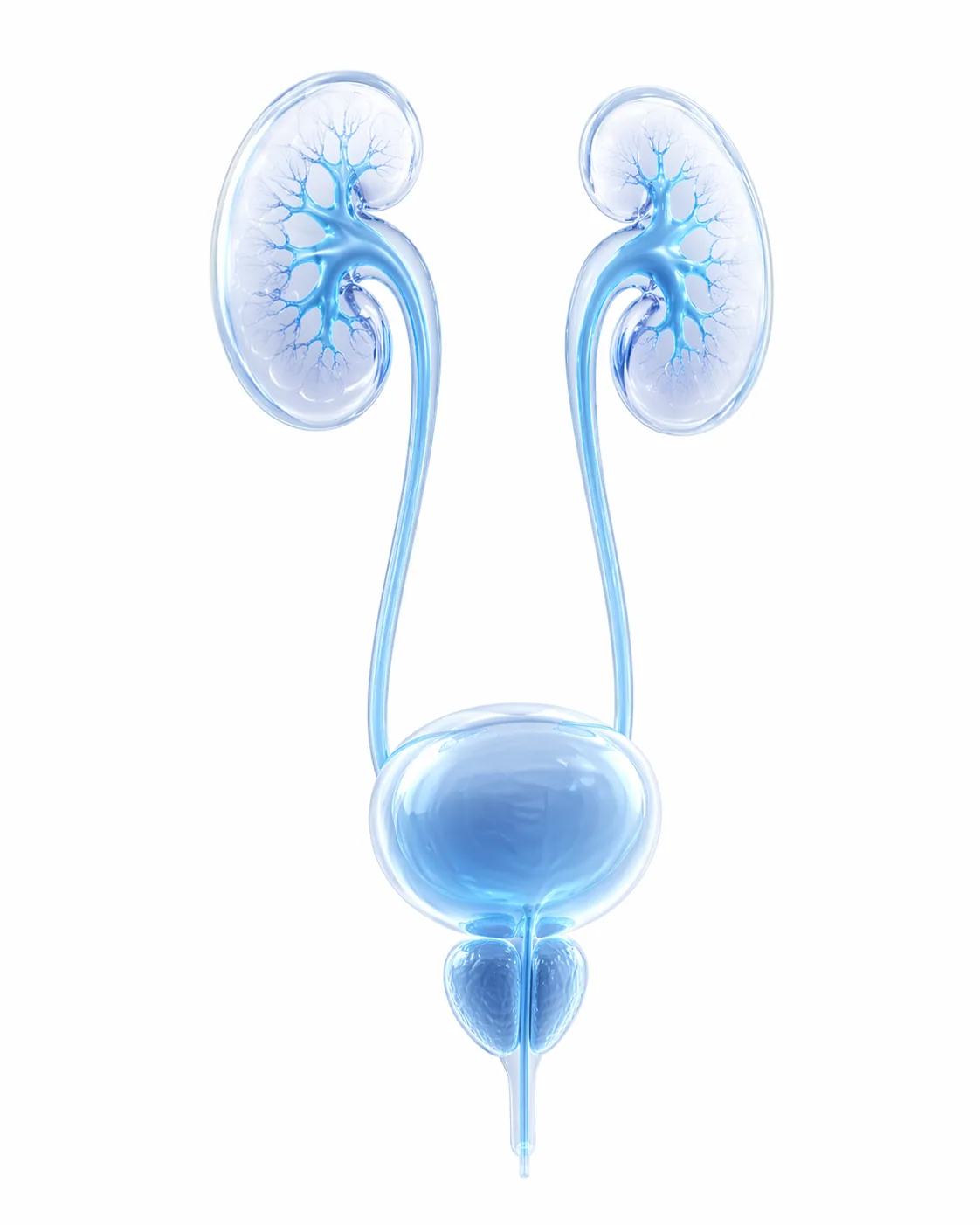
Men's sexual health includes erectile function, premature ejaculation, Peyronie's disease, male fertility, urinary symptoms, pain or discomfort, and urologic prevention.
When to consult
Changes in sexual function or need for medical guidance.
Questions about male fertility or previous studies.
Urinary symptoms, burning, frequency, or urgency.
Questions about low testosterone, hormones, energy, or libido changes.
Pain, pelvic discomfort, or changes affecting quality of life.
Interest in urologic prevention and private consultation.
Sensitive questions that require a respectful setting.
Sexual health context
The wording stays medically careful: erectile dysfunction can have vascular, hormonal, metabolic, emotional, or medication-related causes.
40%
The epidemiologic figure helps normalize consultation without minimizing the need for medical evaluation.
5 years
Vasculogenic erectile dysfunction can be an early cardiovascular risk signal and deserves a responsible medical conversation.
What the doctor may evaluate
Medical history, symptoms, medications, labs, and studies may be reviewed according to each case.
What to bring
You do not need a perfect explanation before visiting. Basic information helps make the conversation clearer and more private.
You do not need every document to request a visit; however, bringing organized records helps the case be reviewed more clearly and avoids repeating important information.
Possible next steps
The visit is structured to discuss concerns without judgment, review possible causes, and decide whether studies or follow-up are needed.
Each step is defined after reviewing symptoms, history, and available studies. Website guidance is educational and does not replace a medical consultation.
Listen to the concern with privacy.
Review symptoms, history, and medications.
Define whether labs or studies are appropriate.
Review hormonal, vascular, metabolic, or reproductive causes when relevant.
Discuss guidance options after medical evaluation.
Answer sensitive questions with clear language.
Plan follow-up when needed.
Related pages
Yes. Many cases improve significantly. Management depends on the cause and may include lifestyle changes, medications, specialized therapies, and advanced treatments. During the visit, the full context, available studies, and current symptoms are reviewed to guide safe next steps, without replacing medical evaluation or promising a specific outcome.
The information on this page does not replace a medical consultation. If you have blood in your urine, urinary retention, fever, severe pain, or an elevated PSA, request an evaluation with a urologist.