
Logo textual del Dr. Carlos A. Brugiati UroPanama.

Urologic procedure

Shock wave lithotripsy

Non-invasive shock wave treatment for selected small or medium urinary stones.

Extracorporeal lithotripsy may fragment some stones to support natural passage when size, location, and clinical condition allow.

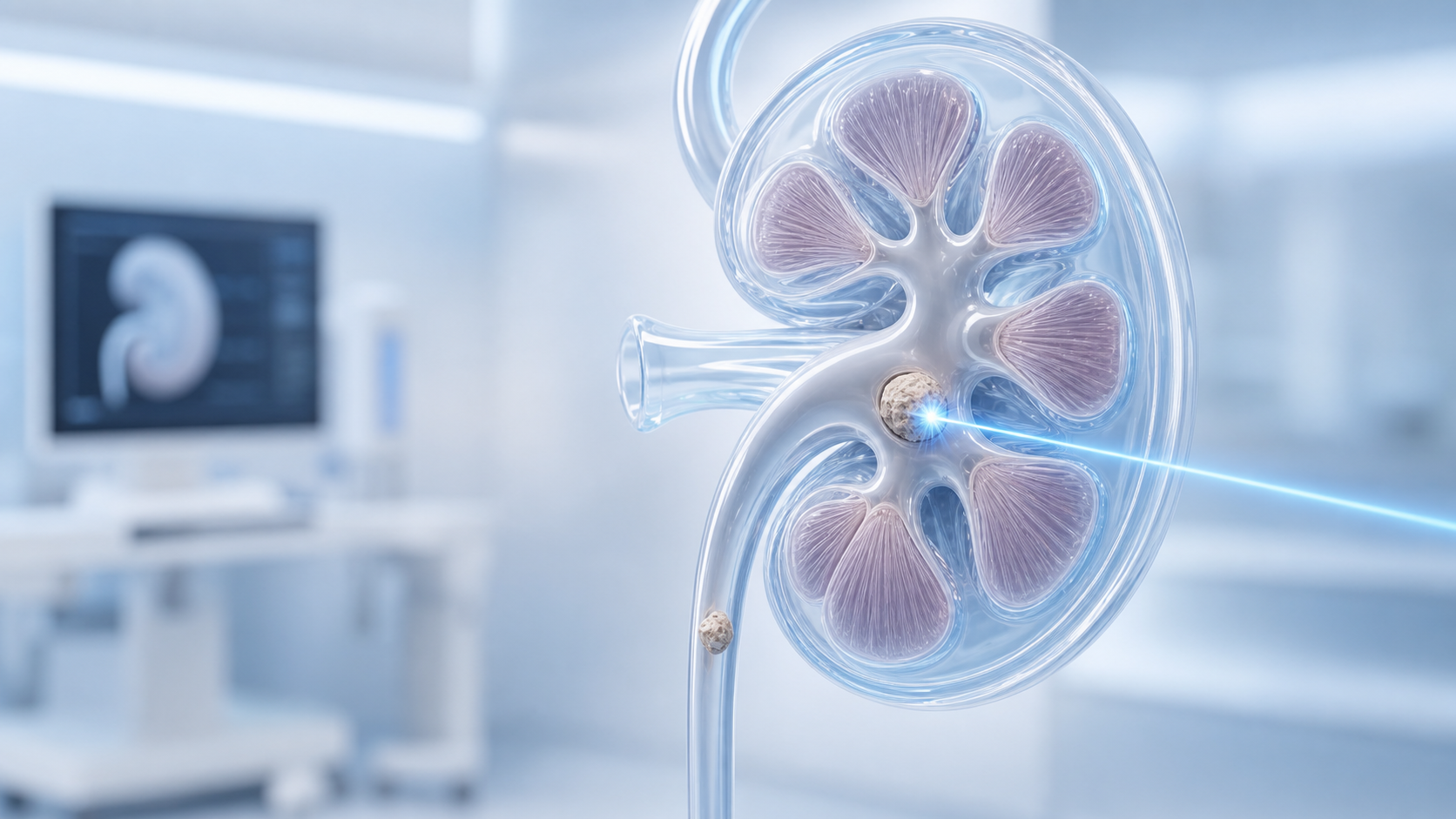
Visual educativo de láser para cálculos urinarios.

Decision pathway

1

Evaluate

Symptoms, studies, and reason for consultation.

  • Review the main symptom and its timeline.
  • Organize studies, reports, and relevant history.
2

Plan

Confirm whether the procedure is appropriate.

  • Compare alternatives before deciding.
  • Clarify preparation, general risks, and expectations.
3

Recover

Follow-up and aftercare.

  • Define follow-up and warning signs.
  • Adjust care according to recovery and findings.

The pathway may change according to available studies, patient safety, and medical judgment.

Understand the procedure

What it aims to do

It uses shock waves from outside the body to fragment selected stones. Not all stones respond the same way, and the decision depends on imaging.

The indication for any procedure depends on medical evaluation, available studies, and the patient’s overall condition.

When it is discussed

When it may be considered

  • Small or medium stones with favorable location.
  • Cases where avoiding an endoscopic approach may be safe.
  • Patients who need to compare management options.
  • Stone follow-up with appropriate criteria.

Decision and follow-up

How the next step is organized.

The indication is defined after reviewing studies, patient goals, alternatives, and safety considerations.

Before the procedure

What is reviewed first

The visit reviews whether the stone has appropriate characteristics and whether factors could reduce effectiveness or increase risk.

  • Stone size, density, and location.
  • Symptoms and degree of obstruction.
  • Labs and urine testing.
  • Medications and relevant history.

Afterward and follow-up

After treatment

Follow-up may review fragment passage, pain, control studies, and prevention.

  • Recovery monitoring.
  • Symptom review.
  • Control imaging when appropriate.
  • Prevention of new stones.

Questions for your visit

Useful questions

  • Does my stone have a good profile for shock waves?
  • What happens if fragmentation is not enough?
  • Which symptoms should I watch afterward?
  • How is progress confirmed?

Frequently asked questions about shock wave lithotripsy

No. It depends on size, location, density, symptoms, and medical judgment. During the visit, available studies, the reason for consultation, and overall condition are reviewed to explain whether this procedure is appropriate and what alternatives may exist.

The information on this page does not replace a medical consultation. If you have blood in your urine, urinary retention, fever, severe pain, or an elevated PSA, request an evaluation with a urologist.