

Logo textual del Dr. Carlos A. Brugiati UroPanama.

Urologic procedure

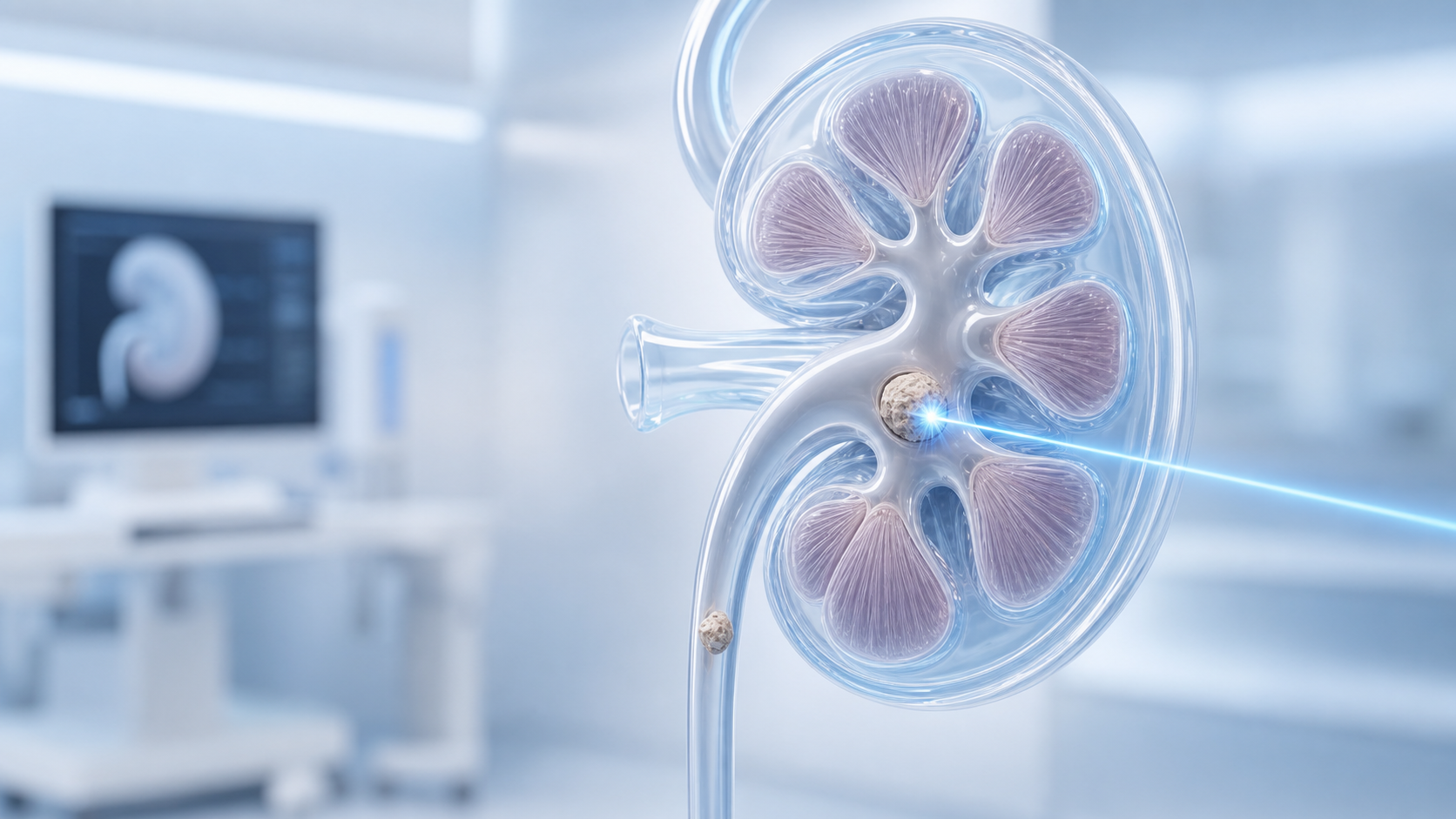
Laser for urinary stones

A technique that may be used to fragment selected stones in specific cases.

Laser is not a universal treatment for every stone. Its use depends on size, location, access, symptoms, and medical evaluation.

Visual educativo de láser para cálculos urinarios.

Decision pathway

1

Evaluate

Symptoms, studies, and reason for consultation.

  • Review the main symptom and its timeline.
  • Organize studies, reports, and relevant history.
2

Plan

Confirm whether the procedure is appropriate.

  • Compare alternatives before deciding.
  • Clarify preparation, general risks, and expectations.
3

Recover

Follow-up and aftercare.

  • Define follow-up and warning signs.
  • Adjust care according to recovery and findings.

The pathway may change according to available studies, patient safety, and medical judgment.

Understand the procedure

What laser does

In selected endourologic procedures, laser energy may help fragment stones to support their management. The decision is based on imaging, stone location, patient condition, and medical judgment.

The indication for any procedure depends on medical evaluation, available studies, and the patient’s overall condition.

When it is discussed

When it may be considered

  • Urinary stones accessible through endoscopic technique.
  • Stones that may not be managed with observation alone.
  • Cases where the doctor considers fragmentation useful.
  • Situations where alternatives should be reviewed before deciding.

Decision and follow-up

How the next step is organized.

The indication is defined after reviewing studies, patient goals, alternatives, and safety considerations.

Before the procedure

Before discussing laser

The visit reviews whether the stone can truly be approached with this technique and whether factors such as infection, obstruction, or missing studies need attention first.

  • Available CT scan or ultrasound.
  • Urine tests and laboratory results.
  • Symptoms, pain pattern, and timeline.
  • Prior treatments or previous stone episodes.

Afterward and follow-up

Follow-up

After a laser procedure, follow-up may include symptom review, fragment monitoring, control studies, or prevention guidance depending on the case.

  • Individualized post-procedure instructions.
  • Monitoring of pain, fever, or urinary symptoms.
  • Review of studies when appropriate.
  • Prevention guidance when applicable.

Questions for your visit

Useful questions

  • Is my stone accessible for laser?
  • What alternatives exist?
  • Which studies are still needed before deciding?
  • How would recovery and follow-up be monitored?

Frequently asked questions about laser for stones

Laser can fragment stones during an endoscopic procedure to help manage them. The indication depends on size, hardness, and location. During the visit, available studies, the reason for consultation, and overall condition are reviewed to explain whether this procedure is appropriate and what alternatives may exist.

The information on this page does not replace a medical consultation. If you have blood in your urine, urinary retention, fever, severe pain, or an elevated PSA, request an evaluation with a urologist.