

Logo textual del Dr. Carlos A. Brugiati UroPanama.

Urologic procedure

HoLEP

Holmium laser prostate enucleation for selected cases of benign prostate enlargement.

HoLEP is a minimally invasive technique that may be considered when benign prostate enlargement causes urinary obstruction, weak flow, or retention.

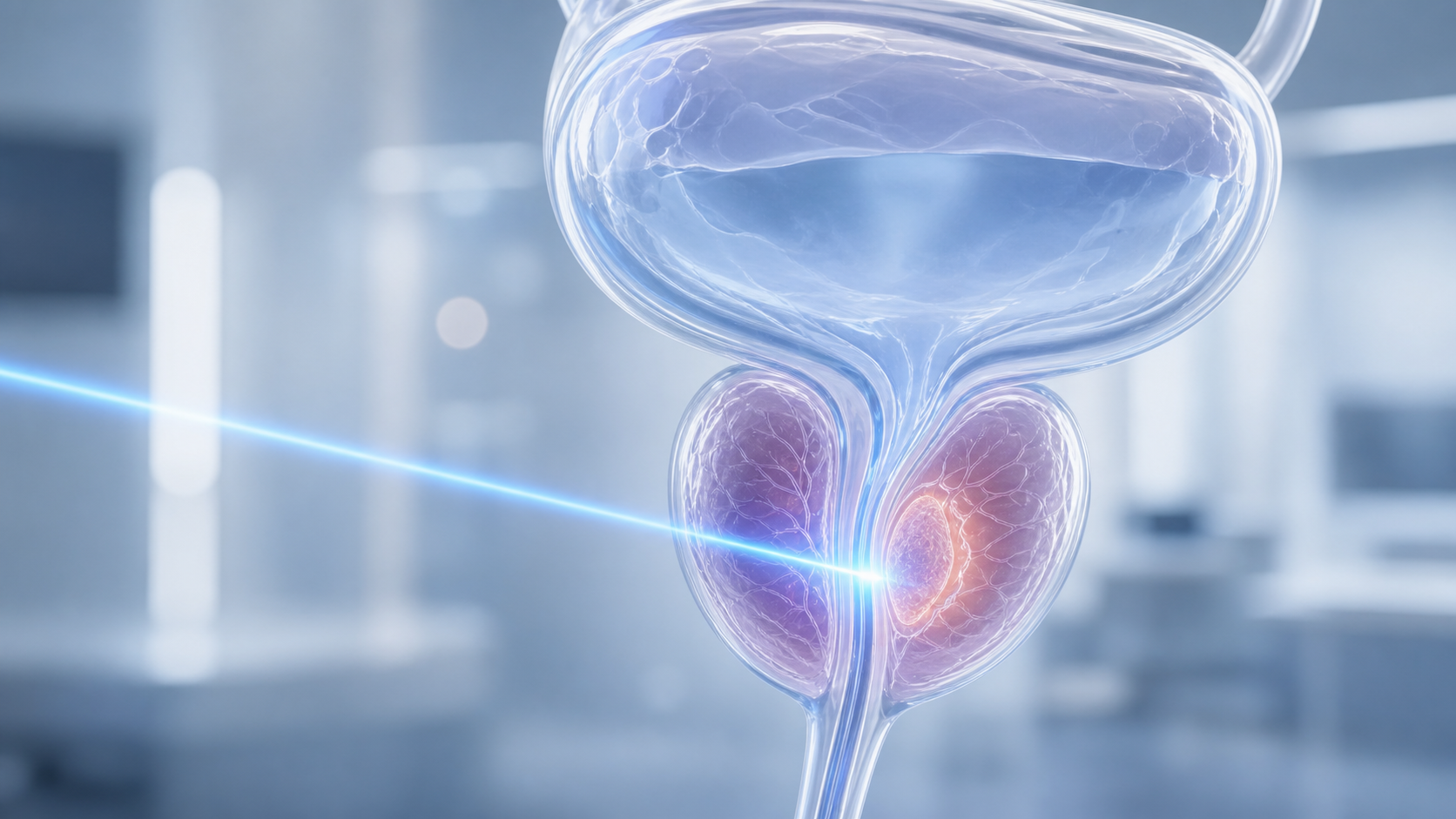
Visual educativo de planificación HoLEP para próstata y vejiga.

Decision pathway

1

Evaluate

Symptoms, studies, and reason for consultation.

  • Review the main symptom and its timeline.
  • Organize studies, reports, and relevant history.
2

Plan

Confirm whether the procedure is appropriate.

  • Compare alternatives before deciding.
  • Clarify preparation, general risks, and expectations.
3

Recover

Follow-up and aftercare.

  • Define follow-up and warning signs.
  • Adjust care according to recovery and findings.

The pathway may change according to available studies, patient safety, and medical judgment.

Understand the procedure

What it aims to treat

Holmium laser enucleation removes obstructive prostate tissue through an endoscopic route. Dr. Carlos Brugiati has international HoLEP certification and pioneering HoLEP experience in Panama since 2018. The decision depends on prostate size, symptoms, studies, history, and medical evaluation.

The indication for any procedure depends on medical evaluation, available studies, and the patient’s overall condition.

When it is discussed

When it may be discussed

  • Persistent difficulty urinating.
  • Weak stream or incomplete emptying.
  • Urinary retention related to prostate enlargement.
  • Prostate obstruction requiring evaluation of a surgical option.

Clinical evidence

HoLEP is supported by international BPH guidelines.

Evidence is presented without promising individual results. Indication is defined after reviewing symptoms, prostate size, studies, history, and patient safety.

EAU

European guideline reference

The European Association of Urology includes HoLEP as a surgical option for moderate-to-severe urinary symptoms from benign prostatic obstruction.

Lower

bleeding, catheter time, and hospital stay versus TURP in comparative studies

The EAU guideline reports reduced blood loss, transfusion rate, catheterization time, and hospitalization, while the decision still depends on the case.

Decision and follow-up

How the next step is organized.

The indication is defined after reviewing studies, patient goals, alternatives, and safety considerations.

Before the procedure

What is reviewed first

The visit organizes symptoms, prostate studies, and general health to explain whether HoLEP makes sense or whether alternatives may be better.

  • PSA, ultrasound, uroflowmetry, or available studies.
  • Current medications and response to prior treatment.
  • Bleeding history, anticoagulants, or prior surgeries.
  • Specialist experience with HoLEP for large-volume prostates when the case calls for it.
  • Urinary goals and realistic expectations.

Afterward and follow-up

Afterward and follow-up

Follow-up depends on recovery and team instructions. Exact recovery timelines should not be promised before evaluation.

  • Monitoring of urinary symptoms.
  • Review of post-procedure instructions.
  • Follow-up if a catheter or medication is used.
  • Warning signs such as fever, significant bleeding, or difficulty urinating.

Questions for your visit

Useful questions

  • Does my prostate size make HoLEP worth considering?
  • What alternatives exist compared with TURP or other approaches?
  • Which general risks should I understand?
  • How would follow-up be organized?

Frequently asked questions about HoLEP

No. Indication depends on symptoms, size, studies, overall condition, and medical discussion. During the visit, available studies, the reason for consultation, and overall condition are reviewed to explain whether this procedure is appropriate and what alternatives may exist.

The information on this page does not replace a medical consultation. If you have blood in your urine, urinary retention, fever, severe pain, or an elevated PSA, request an evaluation with a urologist.