

Logo textual del Dr. Carlos A. Brugiati UroPanama.

Urologic procedure

Cystoscopy

A visual evaluation of the bladder and lower urinary tract in selected cases.

Cystoscopy may be part of the evaluation of urinary symptoms, blood in the urine, or findings that require direct visual review.

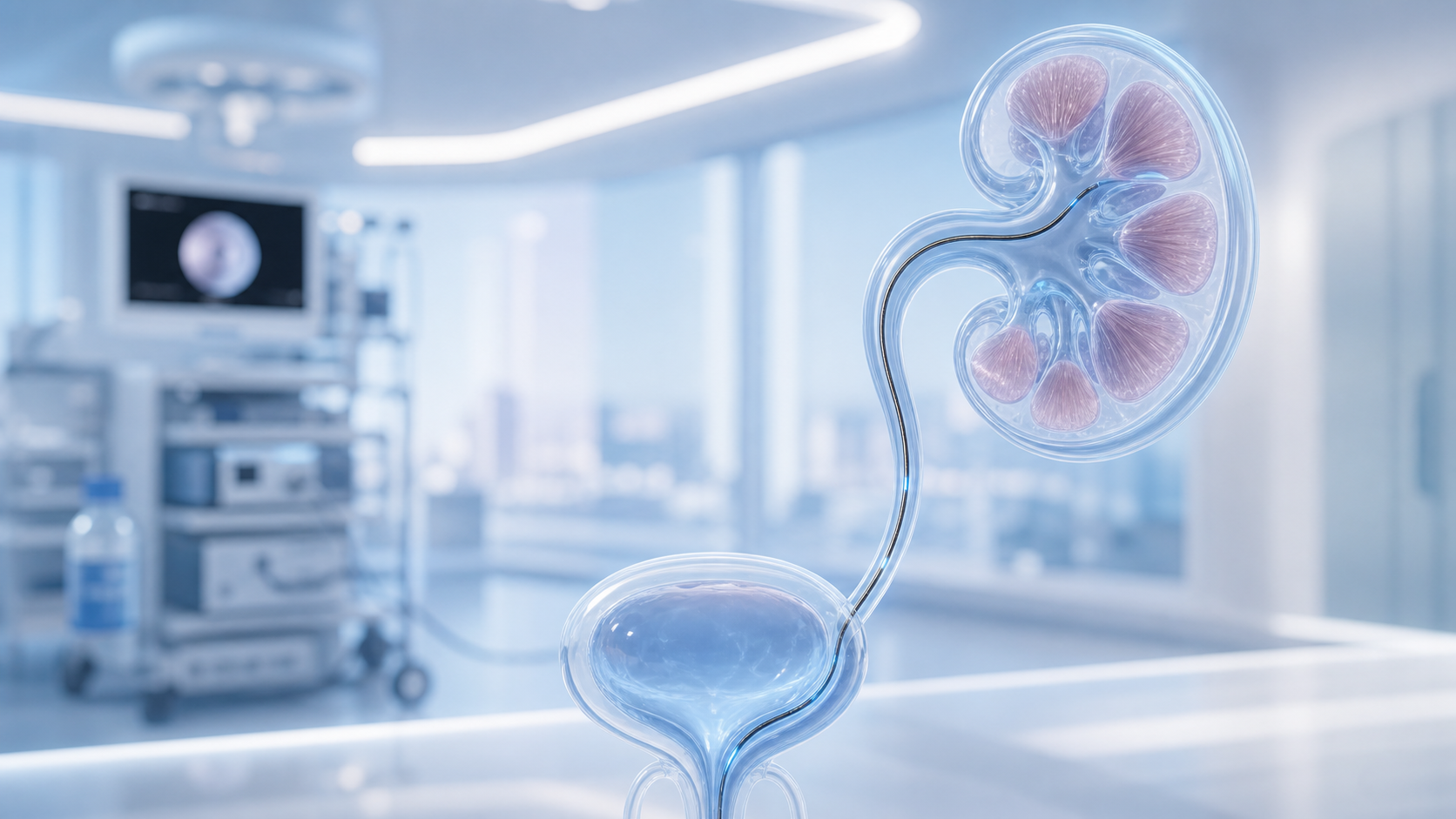
Visual educativo de ureteroscopía flexible y vía urinaria.

Decision pathway

1

Evaluate

Symptoms, studies, and reason for consultation.

  • Review the main symptom and its timeline.
  • Organize studies, reports, and relevant history.
2

Plan

Confirm whether the procedure is appropriate.

  • Compare alternatives before deciding.
  • Clarify preparation, general risks, and expectations.
3

Recover

Follow-up and aftercare.

  • Define follow-up and warning signs.
  • Adjust care according to recovery and findings.

The pathway may change according to available studies, patient safety, and medical judgment.

Understand the procedure

What it may evaluate

Cystoscopy allows the bladder and urethra to be viewed with specialized instruments. It may be considered when medical evaluation needs visual information that other studies do not fully explain.

The indication for any procedure depends on medical evaluation, available studies, and the patient’s overall condition.

When it is discussed

When it may be considered

  • Blood in the urine.
  • Persistent urinary symptoms.
  • Infections or symptoms that need additional evaluation.
  • Follow-up of selected bladder findings.

Decision and follow-up

How the next step is organized.

The indication is defined after reviewing studies, patient goals, alternatives, and safety considerations.

Before the procedure

What is reviewed first

The indication depends on symptoms, urine tests, imaging, and history. The visit helps explain why it may provide useful information.

  • Urinalysis or urine culture.
  • Imaging studies if available.
  • Medication and medical history.
  • Main symptoms and timeline.

Afterward and follow-up

After the evaluation

Instructions after cystoscopy depend on findings and symptoms. The physician explains warning signs and whether follow-up is needed.

  • Review of findings.
  • Plan according to symptoms or studies.
  • Follow-up when appropriate.
  • General care instructions.

Questions for your visit

Useful questions

  • Which symptom makes cystoscopy worth considering?
  • What information could it provide?
  • Which studies are needed first?
  • What follow-up would be required?

Frequently asked questions about cystoscopy

It is a procedure that allows the urethra and bladder to be viewed with a specialized camera. During the visit, available studies, the reason for consultation, and overall condition are reviewed to explain whether this procedure is appropriate and what alternatives may exist.

The information on this page does not replace a medical consultation. If you have blood in your urine, urinary retention, fever, severe pain, or an elevated PSA, request an evaluation with a urologist.